


Phishing
What is Phishing?
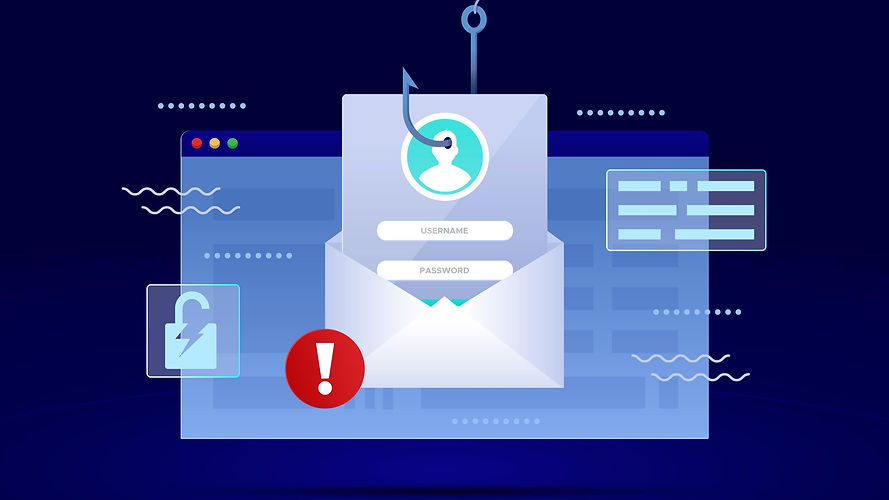
Phishing is a cyberattack designed to trick users into revealing sensitive information such as passwords, banking information, credit card details, or business credentials.
Attackers often impersonate trusted companies, coworkers, delivery services, or financial institutions to gain access to valuable data.
Phishing attacks can happen through emails, text messages, phone calls, fake websites, social media platforms, and even malicious advertisements designed to imitate trusted services.
Why Phishing is dangerous
Phishing is dangerous because it tricks individuals into revealing sensitive information such as passwords, banking details, and personal or business data. These attacks are often designed to look legitimate, making it easy for users to unknowingly trust fake emails, messages, or websites. Once attackers gain access to this information, they can take over accounts, steal money, or use the data for further attacks.
The impact can be serious, ranging from identity theft and financial loss to compromised business systems and data breaches. In some cases, a single successful phishing attempt can give attackers access to multiple accounts or internal company tools, leading to even larger security incidents. Because phishing relies on human error rather than technical flaws, awareness and caution are key to preventing it.
How Attackers Trick People
Phishing attacks are designed to look convincing and trustworthy. Cybercriminals often impersonate banks, delivery companies, streaming services, coworkers, or even family members to create a false sense of legitimacy.
Their goal is usually to pressure the victim into clicking a malicious link, downloading a harmful attachment, or entering sensitive information on a fake website. Many phishing attempts rely on urgency and fear, making people act quickly without verifying the message first.

The Psychology Behind Phishing

Phishing is successful because it targets human behavior rather than technology itself.
Attackers know that people are more likely to react emotionally when they believe there is a problem with their account, a missed payment, or suspicious activity.
Messages are carefully written to create panic, curiosity, or excitement. Even experienced users can fall victim when they are distracted or under pressure.
Fake Websites and Login Pages
One of the most common phishing techniques involves creating fake websites that closely resemble legitimate services.
These websites often copy the logos, colors, and layouts of trusted companies to appear authentic. Victims may not realize they are on a fraudulent page and unknowingly enter usernames, passwords, or payment information.
In many cases, the difference between the real website and the fake one is only a small spelling change in the URL.

How Businesses Are Targeted
Businesses are frequently targeted through phishing campaigns because they store valuable information and financial data.
A single compromised employee account can lead to data breaches, ransomware infections, or unauthorized access to internal systems.
Attackers may impersonate executives, vendors, or clients to trick employees into transferring money or sharing confidential information. Security awareness and employee training are critical in reducing these risks.
Protecting Yourself Online
Protecting yourself from phishing starts with developing safe online habits and staying aware of suspicious activity. Users should avoid clicking unknown links, carefully verify website addresses, and never share sensitive information through email or text messages. Enabling multi-factor authentication adds an extra layer of protection by requiring a second verification step during login, making it much harder for attackers to gain access even if a password is compromised.
At CtrlX, we believe cybersecurity is not only about technology, but also about awareness and prevention. Educating users on how to recognize phishing attempts is one of the most effective ways to reduce cyber threats and protect personal or business data. By combining security best practices with proactive monitoring and protection solutions, individuals and organizations can significantly lower their risk of becoming victims of phishing attacks.

Types of Phishing
Email Phishing
The most common type, where attackers send fake emails pretending to be trusted companies to steal personal information or login credentials.
Spear Phishing
A targeted attack aimed at a specific person or organization, often personalized using information gathered about the victim.
Whaling
A form of spear phishing that targets high-level individuals such as executives or managers to access sensitive company data or finances.
Smishing
Phishing carried out through text messages that often contain malicious links or urgent requests.
Vishing
Fraudulent phone calls where attackers impersonate legitimate organizations to trick victims into sharing sensitive information.
Clone Phishing
A technique where a legitimate email is copied and resent with malicious links or attachments replacing the original ones.
Social Media Phishing
Fake accounts or messages on social platforms designed to trick users into clicking malicious links or sharing private data.
Pharming
A more technical form of phishing where users are redirected from legitimate websites to fake ones without realizing it.
HTTPS Phishing
Fake websites that use a secure-looking HTTPS connection to appear trustworthy while still being malicious.
Search Engine Phishing
Fake websites or ads placed in search results to trick users into visiting harmful pages that steal information.
